I’ve been noticing something over the past few months.
Across both the hospitality and travel sectors, there’s been a noticeable shift toward meetings, conferences and events – what the industry tends to bundle together as “MICE” (I know it sounds like a pest problem but I promise it’s a profit centre). Hotels are talking about it more. Venues are investing in it. Destinations are actively competing for it.
Which makes absolute sense in the current economic climate. Leisure travel is still strong but it is also unpredictable. Business meetings and events, on the other hand, offer a lot more consistency and reliability.
And, as is often the case these days, that got me thinking about Banbury.
On Paper v Reality
Because on paper, Banbury should be reasonably well placed to benefit from this trend. We’re well connected – direct rail links, easy access to the M40, within reach of both London and Birmingham. That connectivity is a huge asset. We’re close enough to Oxford to be part of the same conversation, but far enough away to avoid some of the cost and congestion.
But that’s on paper. In reality, we’re not really in that conversation.
Oxford is, understandably, a major draw. Bicester with its iconic retail offering, Golf Club and Bicester Motion has carved out its own niche. Banbury, meanwhile, sits slightly to the side and feels like it’s present, but overlooked.
The Local Venue Scene
It’s not because we don’t HAVE any relevant venues. We do. Off the top of my head:
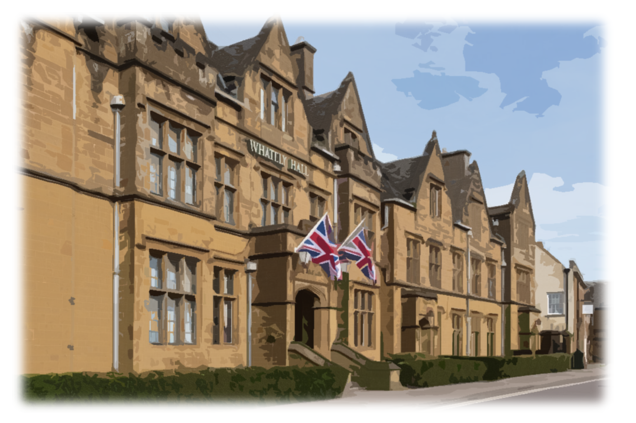
- There are traditional options like Whately Hall Hotel, which offers the kind of multi-room, residential setup that works well for smaller conferences and training events. And while it is a hotel – it’s even part of a chain – it’s got a sense of character most chain hotels can only dream of.
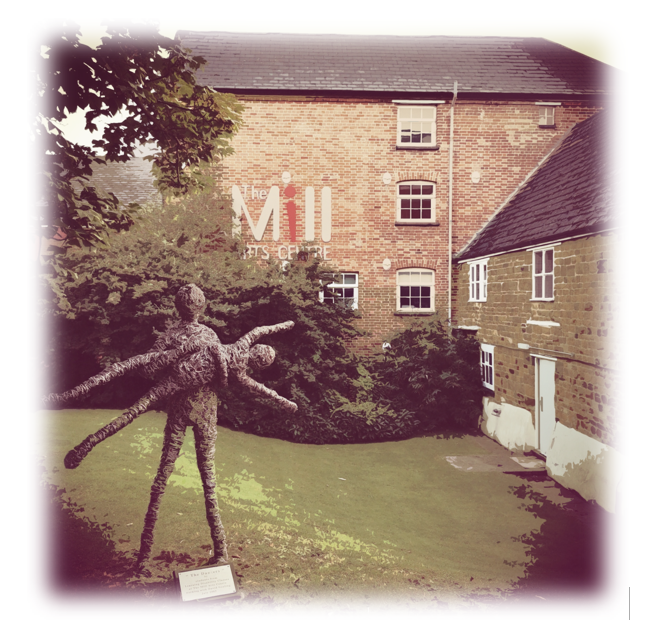
- There are more flexible, creative spaces like The Mill Arts Centre, where theatre and meeting space overlap in useful ways – particularly for talks, presentations or anything that benefits from a slightly different setting.
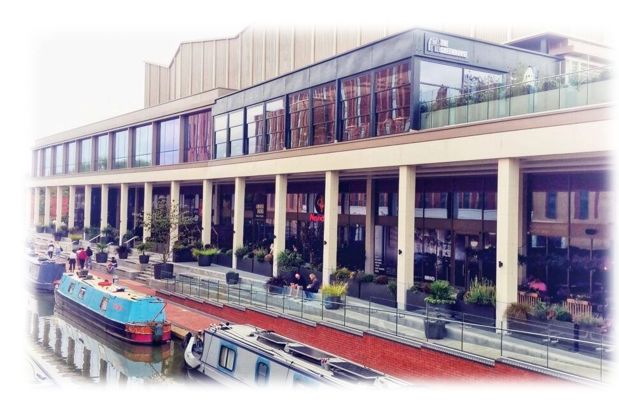
- There are hybrid, experience-led venues like The Light Banbury, which combine meeting space with built-in social and team-building elements. What better place to have an ‘all in one place’ team or corporate away day?
- There are also more formal, civic spaces like Banbury Town Hall. Often associated with weddings and receptions, it’s also used for fundraising dinners, talks and larger gatherings—and can accommodate conferences of up to around 200 people.
- And then there are the more informal, community-led options – places like Banbury Cricket Club Pavilion, which might not appear in traditional venue searches but can work perfectly well for the right kind of event.
There are probably others. But you get the idea.
Individually, none of these are trying to compete with Oxford’s more famous or larger venues. After all, they aren’t insane.
But taken together, they start to suggest something else: Banbury as a practical, well-connected option for smaller meetings (say, under 150 people – with some options stretching beyond that) where access, value and flexibility matter more than scale and prestige.
Those are the kind of meetings that make up a significant proportion of business activity and the vast majority don’t always need a flagship destination.
The Visibility Problem
Partly, it’s a question of scale and recognition. Larger destinations have established reputations, budgets and the resources to promote them. They also have organisations dedicated to amplifying their offer.
But it’s also a question of how the offer is presented.
At the moment, Banbury’s venues largely promote themselves individually. Which is entirely reasonable. And if any of the local stakeholder organisations are tackling this, I’ve not seen it. The result is that there’s no collective story about what Banbury offers as a place for businesses to meet.
And without that, it’s difficult for the town to register as an option in the first place.
None of this requires a grand strategy to start shifting. Sometimes it’s as simple as making the implicit explicit.
Banbury is:
- well connected
- easier to navigate than larger destinations
- often better value than nearby alternatives
- home to a mix of venues that suit different types of smaller events
That’s a perfectly viable proposition and if consistently articulated will do most of the heavy lifting.
Lean In to Locality
There’s also something else in Banbury’s favour, something we see percolating in recreational tourism too and that’s unique experiences, something a bit different, with an authenticity and sense of place. It can be harder to quantify than cost and location but it is increasingly a factor in decision making.
There’s a growing appetite in the MICE space venues that feel a little more grounded, less like interchangeable conference backdrops and more like real places with their own character. Market towns, independent venues, walkable centres – these are the environments where people can step out of a meeting, walk along the canal or browse the market and feel like they’ve actually gone somewhere.
If Banbury does have a place in this part of the market, it may not be about building something new so much as joining up what already exists—and being a little more deliberate about how it’s presented.
Because at the moment, the pieces are there. They’re just not quite telling a shared story.