What better way to begin English Tourism Week in Banbury than with something Banbury has been famous for for centuries: the Banbury Cake.
At first glance, it is just a pastry – an oval parcel of flaky pastry filled with currants and spice. But Banbury cakes have a surprisingly long-standing story.
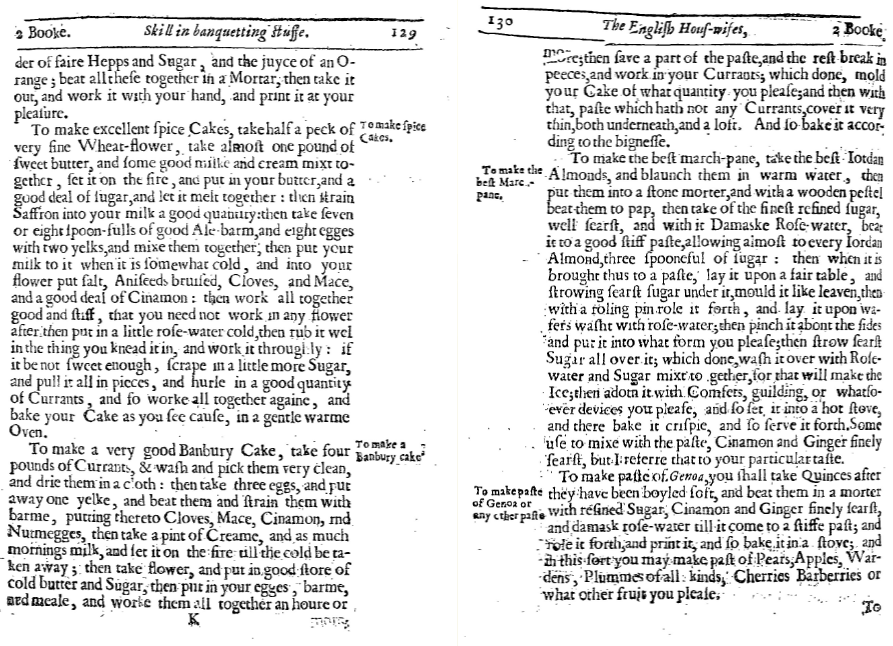
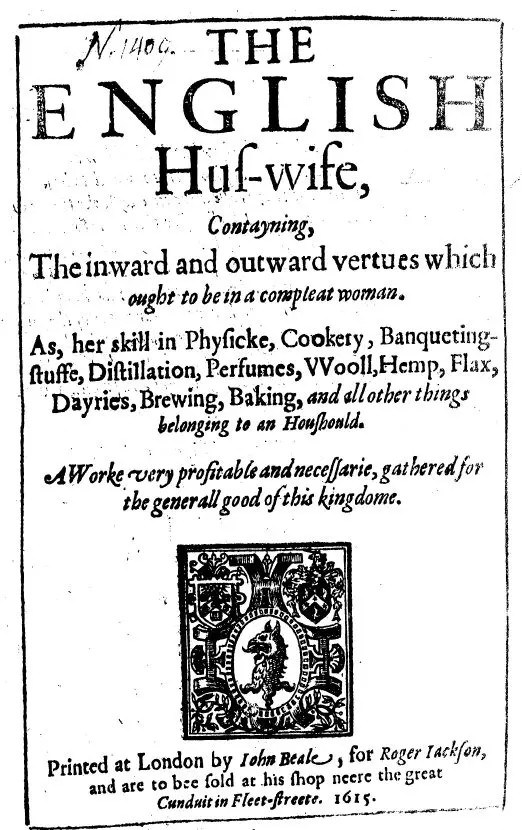
The oldest printed recipe for Banbury cakes was published by Gervase Markham in his book The English Huswife, first published in 1615. (Pictures below) It was quite a popular title in its day (a bestseller of its time, going through nine editions and at least two other reprints by 1683). Whether that was down to the popularity of the Banbury cake recipe, we cannot say.
Now, Banbury was known to be a stronghold of strict Puritans so it was only a matter of time before the Puritan authorities frowned officially on Banbury cakes (along with many festive foods associated with saints’ days). Despite that, the cakes endured. I suppose giving them an air of the forbidden just made them even more popular. Happens all the time, doesn’t it?
By the 18th and 19th centuries, they’d become one of Banbury’s best-known exports. Those passing through the town carried them away, and they were shipped far and wide – Australia, the East Indies and America just to name a few. What made them so good for long haul shipping? Their high sugar and spice content.
There is even a long-standing story that Queen Victoria enjoyed Banbury cakes and was given a supply every summer.
They are sometimes mistaken for Eccles cake but Banbury cakes are flatter and more oval, with a filling that often carries a sharper hit of spice and lemon peel.
There were two shops in Banbury most closely associated with the cakes over the years – The Original Cake Shop, located at 12 Parsons Street and Betts’ Cake Shop at 85 High Street. Four hundred years later, Banbury Cakes are still part of the town’s identity – and a rather tasty piece of local history and – with my marketing hat on – impressive brand longevity.
Not bad for something that began as a small local pastry.
So, the question of the day is: Have you ever actually tried a Banbury Cake? What did you think?
Earlier this month, news trickled out that there was to be a brand-new UK Town of Culture competition — a sort of sister effort to the more established City of Culture programme. And someone who writes about a UK town quite a lot, I got to thinking – what if Banbury were to put itself forward? What would that involve and — perhaps a bigger question — does Banbury have the cultural points to make a serious bid?
On the assumption that the City of Culture process would almost certainly form the blueprint for Town of Culture, I gave the documentation a read through and this list is the result.
5 points that credible submissions should include and how, IMO, Banbury stacks up.
1. A clear purpose and a long-term vision
Winning isn’t about throwing a year-long festival. It’s about culture as a driver of regeneration, community identity, pride and economic growth. Local participation, skills development, creative industries, tourism and long-term legacy all matter.
Banbury would need to show:
How culture boosts access and inclusion
How creativity fuels the local economy
How community cohesion is strengthened
How the benefits would last well beyond “the year of culture”
In short: it’s not about one big event. It’s about cultural transformation.
2. A compelling story — the “why Banbury, why now?”
Strong bids tell a story rooted in local identity, history, community character and connection to wider cultural networks. Banbury’s story is… layered, and frankly, pretty fascinating.
We have:
A multi-era heritage: Civil War, industrial history, canal culture, and literary connections
A famous identity thanks to a certain nursery rhyme
A town in transition, redefining itself in a modern context
Regional cultural links (Banbury Museum’s touring exhibitions are a great example)
A good submission weaves these strands together into something coherent and compelling.
3. The ability to deliver
A beautiful story won’t win on its own — applicants need a proven structure for delivering cultural programmes. The City of Culture criteria emphasise leadership, track record, cross-sector cooperation and sustainable planning. Banbury has excellent organisations and quite a few passionate stakeholders — but the collaborative structures would, again IMO, need real strengthening.
4. Measurable impact
There would need to be evaluation plans made to collect baseline data and to measure KPIs linked to expected outcomes. Much of which continues long after any win is announced. Winning isn’t the end; it’s the midpoint. The government wants to see a return on investment.
5. Inclusivity and access
A winning bid must involve everyone — not just established cultural players or the traditionally defined ‘great and the good.’ Grassroots groups, young people, diverse communities, neighbourhoods outside the town centre — all need a place in the plan. Fortunately, Banbury’s grassroots scene is strong: arts groups, choirs, music nights, heritage societies and community-led projects all contribute to a vibrant cultural fabric.
So… what does Banbury have going for it? A lot.
Heritage & History
Banbury Museum & Gallery
Tooley’s Boatyard
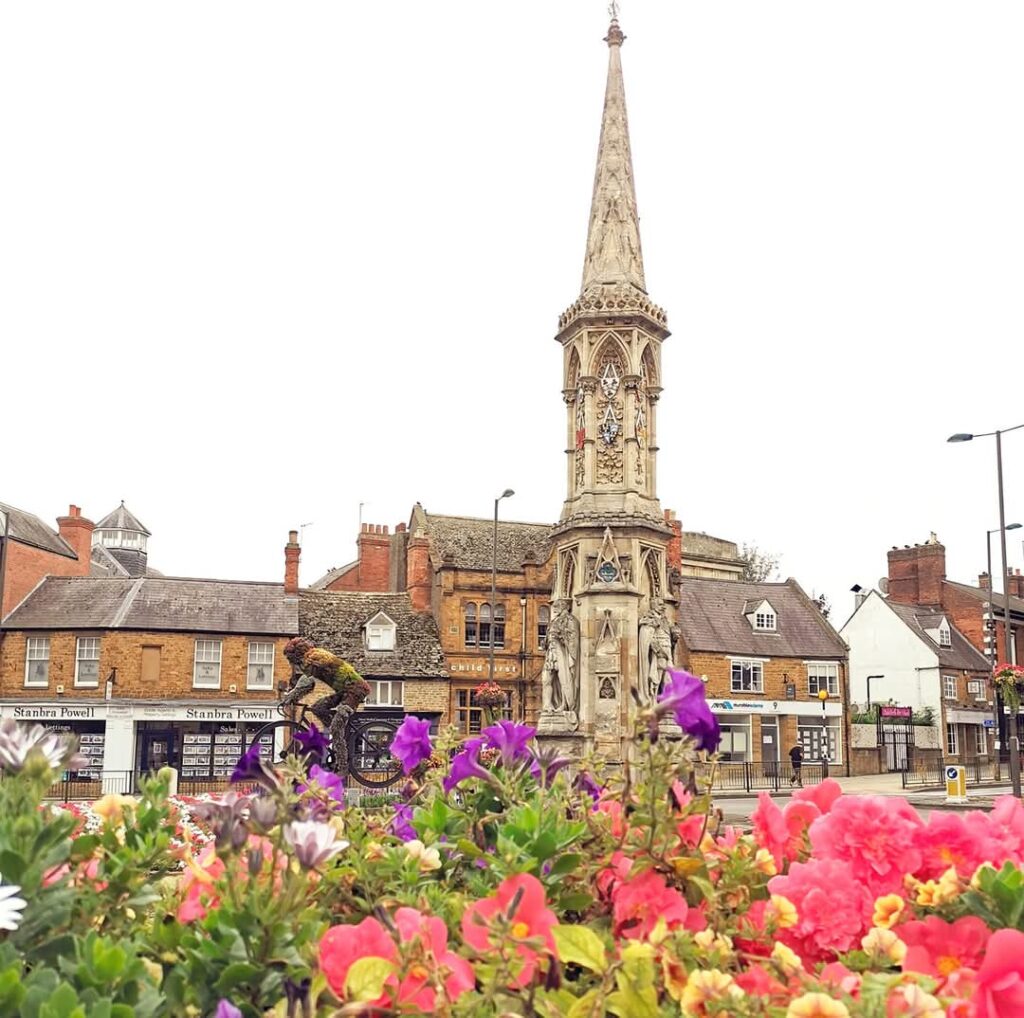
Banbury Cross, the Fine Lady statue
Ye Olde Reine Deer Inn
St Mary’s Church
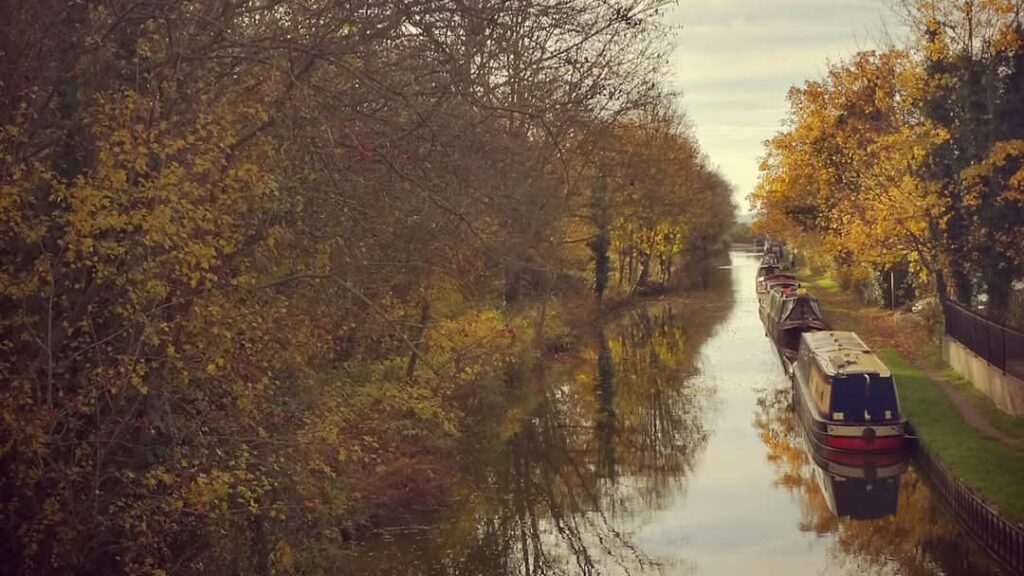
The Oxford Canal
Arts & Culture
The Mill Arts Centre
Public art trails
A lively live-music scene
Local orchestras, choirs, amateur dramatics
Identity & Traditions
Banbury Cakes
The Hobby Horse tradition
The iconic nursery rhyme
Food & Family Culture
Lock29
The Light
Two major food festivals
A notably international restaurant scene — Turkish, Thai, Japanese, Polish, Italian, Indian and more
The Surrounding Cultural Ecosystem – more on this topic later but it is a significant part of a submission)
Broughton Castle
Upton House
Sulgrave Manor
Hook Norton Brewery
The Edgehill battlefield
British Motor Museum
Bicester Heritage
These assets tell a story of a town with depth, character and huge potential — not one that needs to invent a cultural identity, but one that already has one.
Could Banbury win?
It wouldn’t be easy. It would take collaboration and ambition. But the building blocks are absolutely there. Even the process of preparing a submission could spark new partnerships, projects and pride.
Did you know (I didn’t) that Spiceball Park we all know it today isn’t actually the original Spiceball Park?
I love random obscure facts like this – almost always found while looking for something else. This particular nugget, I found while on the Banbury Town Council website — and it absolutely delighted me.
So, the original Spiceball Park was – is? – was Bridge Street Park!
When the larger country park was created further north, the name migrated… and the old site got a new name.
And the name Spiceball itself? Even MORE delightful.
Again, according to the Banbury Town Council website, the land was donated by High Street butcher Thomas Hankinson, who was town mayor at the time. He was notable for making highly seasoned meatballs — known around town as “spice balls.”
The nickname stuck, and eventually it became the name of the land and the park.
Absolutely fabulous.
Also, now feeling a bit peckish.
And this? This is a photo of Modern Parlance Photos taking a photo of the riders on the ramps in Spiceball. I wonder if any of them know about the meatballs…
I recently saw mention of English Tourism Week (March 14-23) approaching, so it seemed like the right time to shine a spotlight on Banbury, a town that is, in my opinion, unfairly overlooked by the tourism sector.
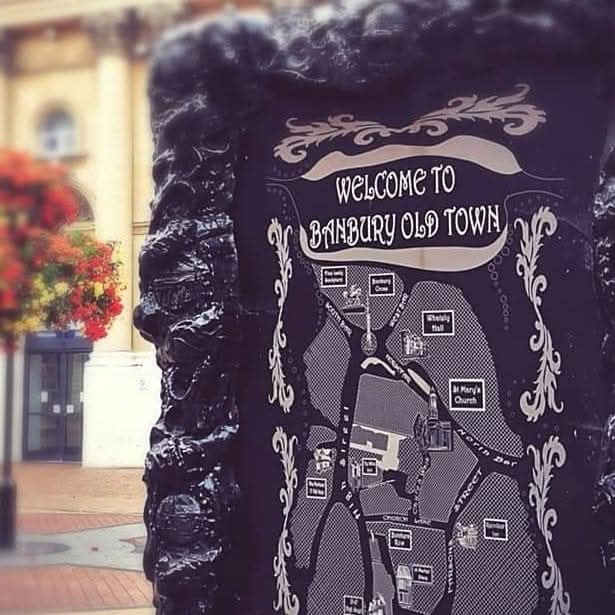
Banbury Old Town map
While nearby tourism heavyweights Oxford, Warwick, and Stratford-upon-Avon frequently feature on travel itineraries of visitors from around the world, Banbury does not. And that’s a shame because it genuinely does have something to offer for both tourists – and tourism investors. It has historical points of interest and a few cultural gems of its own alongside both strategic accessibility and affordability that makes it an ideal destination for travellers and those who serve them.
We used to joke that the perfect tagline for the town would be ‘Banbury: You can get there from here.’ And it was a sort of joke. But it was also a serious point about why Banbury should be on more people’s travel radar when it comes to exploring the English countryside and towns. After all, not everything is London.
Now, you may be thinking that as someone who lives in Banbury and writes about Banbury, I may not be wholly objective about the place. I’m not, I suppose. But neither am I making something out of nothing.
The Oxford Canal links the town centre to Spiceball and Longford parks.
A Hub of History and Innovation
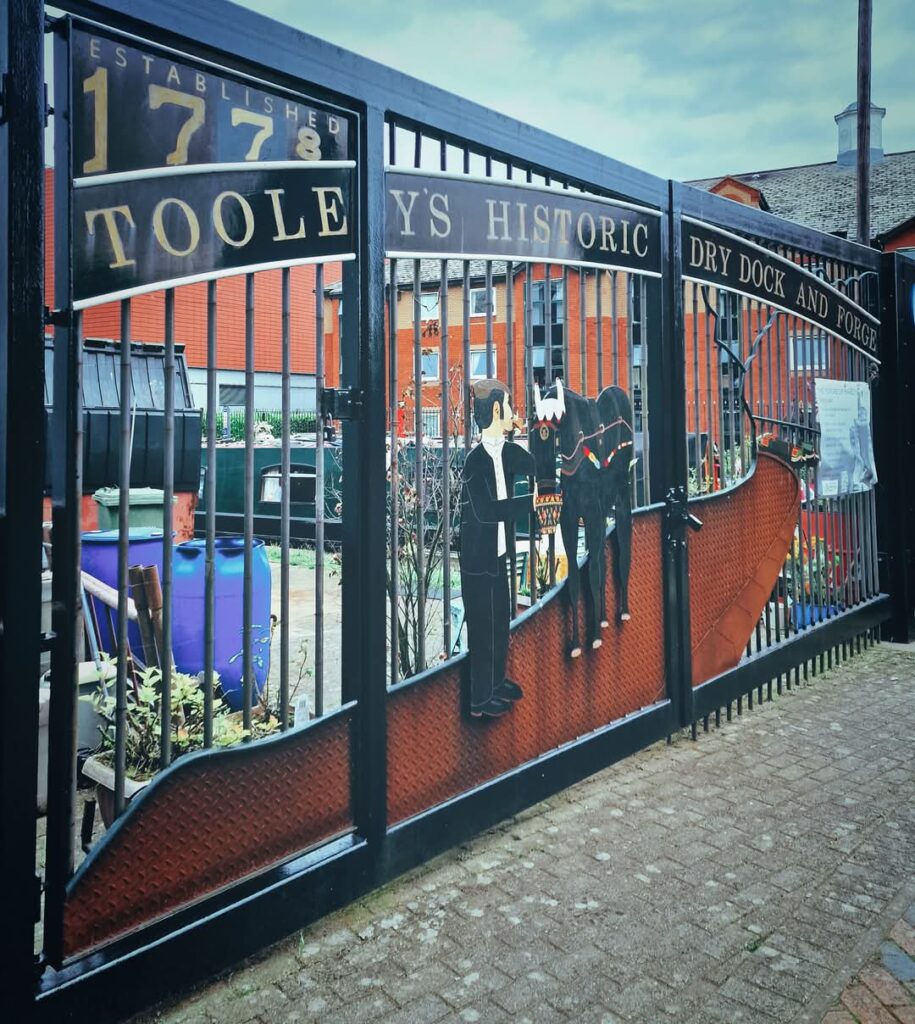
Banbury’s tourism appeal lies its industrial heritage, perfectly preserved at sites like Tooley’s Boatyard. The Banbury Museum & Gallery, with its engaging exhibitions and educational programs, tells the story of a town that has been at the crossroads of English history for centuries. Indeed, the town’s strategic importance dates back to Roman times, with the ancient Salt Way cutting through what is now Banbury. These attractions don’t just preserve history – they make it accessible and relevant to modern visitors.
Tooley’s Boatyard has one of the oldest working dry docks on the Inland Waterways, working continuously since 1778.
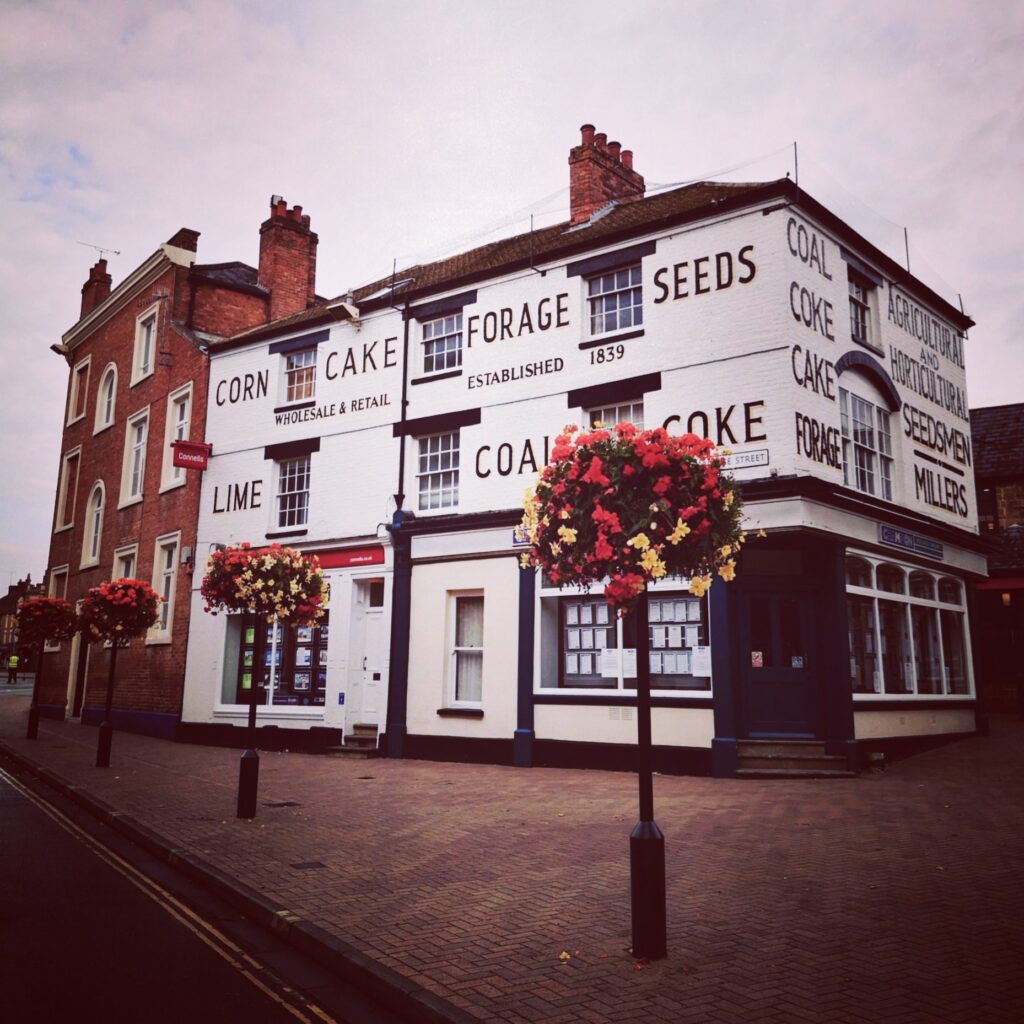
There are architectural gems like the Globe Room in the Ye Olde Reine Deer where Oliver Cromwell used to sit in judgement during Royalist trials or Lampreys (below).
Strategic Location, Maximum Impact
Banbury’s central location makes it an ideal base for exploring some of England’s premier attractions without paying premier attraction prices for hotels. Stay at a hotel or B&B in Banbury and you are less than an hour – often less than 30 minutes – from a wealth of locations serving a wide range of interests.
The internationally renowned Bicester Village, offering luxury shopping experiences, lies just 15 minutes away by train.
A 20 minute train ride to Oxford transport history buffs to a location bound to satisfy all the facts, dates, trivia and ‘walking the ground’ experiences one could want. More interested in film and TV tourism? Oxford has got you covered there too.
For automotive enthusiasts, both the British Motor Museum and Silverstone Museum are within easy reach, offering world-class exhibits that celebrate Britain’s motorsport heritage. More on the historic motoring landscape that surrounds Banbury can be found on an earlier Banburian post.
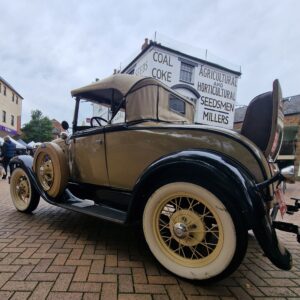
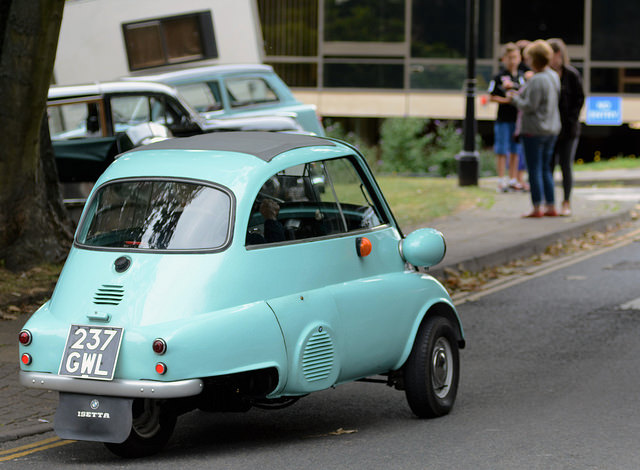
Vintage vehicle on display at Banbury Festival of Motoring.
Culinary and Cultural Vibrancy
After a long day of sight-seeing, what could be better than getting back to town and relaxing with an excellent meal. The town’s dining scene punches well above its weight, with award-winning restaurants offering cuisine from across the globe. This culinary diversity may not be the first thing that springs to mind when you hear ‘Banbury’ – maybe you think Banbury cake – but the truth is, Banbury’s food scene is modern, eclectic and diverse.
The Mill Arts Centre features music, theatre, comedy and dance performances all year round. St. Mary’s Church, in addition to being historically significant, also serves as another cultural hub in town – – especially when it comes to music with their Festival Singers performing at many events in town, hosting the Banbury Early Music Festival as well as partnering with the Banbury Choral Society and Banbury Symphony Orchestra. Then there is the annual calendar of events – a notably robust calendar of events that call the town centre home – such as food fairs, heritage events and music festivals ensures there’s always something new for visitors to discover.
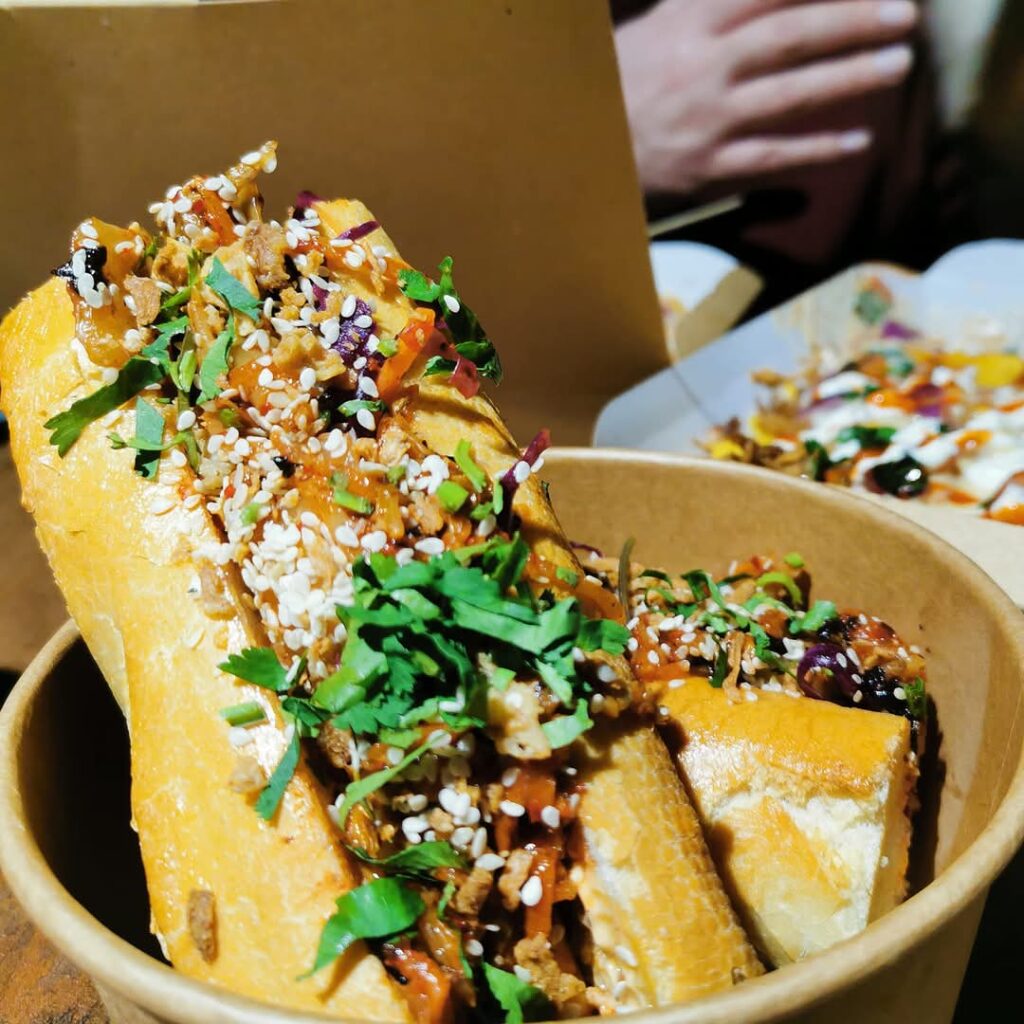
A tasty standout from Lock29 – the banh mi sandwich from Nori Shed.
The annual calendar of events such as food fairs, heritage events and music festivals creates year-round appeal, ensuring there’s always something new for visitors to discover.
Visitor Economy Investment Opportunities
For stakeholders in the hospitality industry and visitor services sector, Banbury represents an opportunity to invest in a destination that offers:
Established transport links with excellent rail and road connections – 3 train lines operate through Banbury Train station with frequent trains providing access to
London in just over an hour;
20 minutes to Oxford;
25 minutes to Warwick;
45 minutes to Birmingham.
A diverse range of attractions appealing to different market segments;
Proximity to major tourist destinations without their saturation and costs;
Year-round appeal through seasonal events and indoor attractions.
The Case for Increased Tourism Focus
Destinations like Banbury exemplify the sector’s potential for growth and innovation. The town’s unique combination of historical significance, strategic location, and modern amenities – including significant recent upgrades to the train station and the canal-side development including Lock29 and The Light – makes it an ideal candidate for further tourism investment and promotion.
With major tourist attractions being proposed for nearby Bicester (the £300 million theme park from Puy du Fou and the Great Wolf development, for example) just strengthen Banbury’s position as an affordable, convenient location from which to explore the wider landscape.
For tourism developers, Banbury offers the rare opportunity to invest in a destination that already has strong fundamentals but hasn’t yet reached its full potential. Its position between major tourist hubs creates natural visitor flow, while its own attractions provide compelling reasons for extended stays.
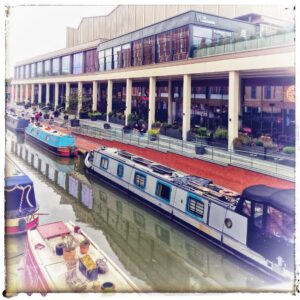
The Light – cinema, eateries, bowling, mini golf, climbing wall and karaoke – on the canal.
Looking Forward
As the visitor economy continues to evolve, destinations that can offer authentic experiences while serving as strategic bases for wider exploration will become increasingly valuable. So, in advance of English Tourism Week 2025, we invite everyone to take a closer look at what Banbury – and towns like it, towns slightly in the shadow of nearby attention-grabbing neighbors – can offer to the future of English tourism.
Whether through investment in tourism infrastructure, promotion of local attractions, or development of new visitor experiences, Banbury is primed to step forward and play a larger role in England’s tourism landscape.
I have always said that one of the best things about Banbury is that it is so close to so many great things to see, do and visit. Put a pin in your map on Banbury and draw a circle – say, a 45-60 minute drive out and – whether you are a foodie, a literary lover, a petrol head or anything in between – you are spoiled for choice. It’s why we keep using the hashtag #GetThereFromBanbury.
Fabulous Foodie is all tales from the kitchen, dives into food history and stuff we talk about when peckish.
Meanwhile Personal Parlance is where I keep my opinions and insights on… well, just about anything. Mainly digital marketing, travel and indexing. But honestly… almost anything.